

How Long Does an Asphalt Shingle Roof Last in Northeast Florida?
Heat and storms wear shingles down faster here, so the roof's age alone won't tell you when to replace it.
Schedule your inspection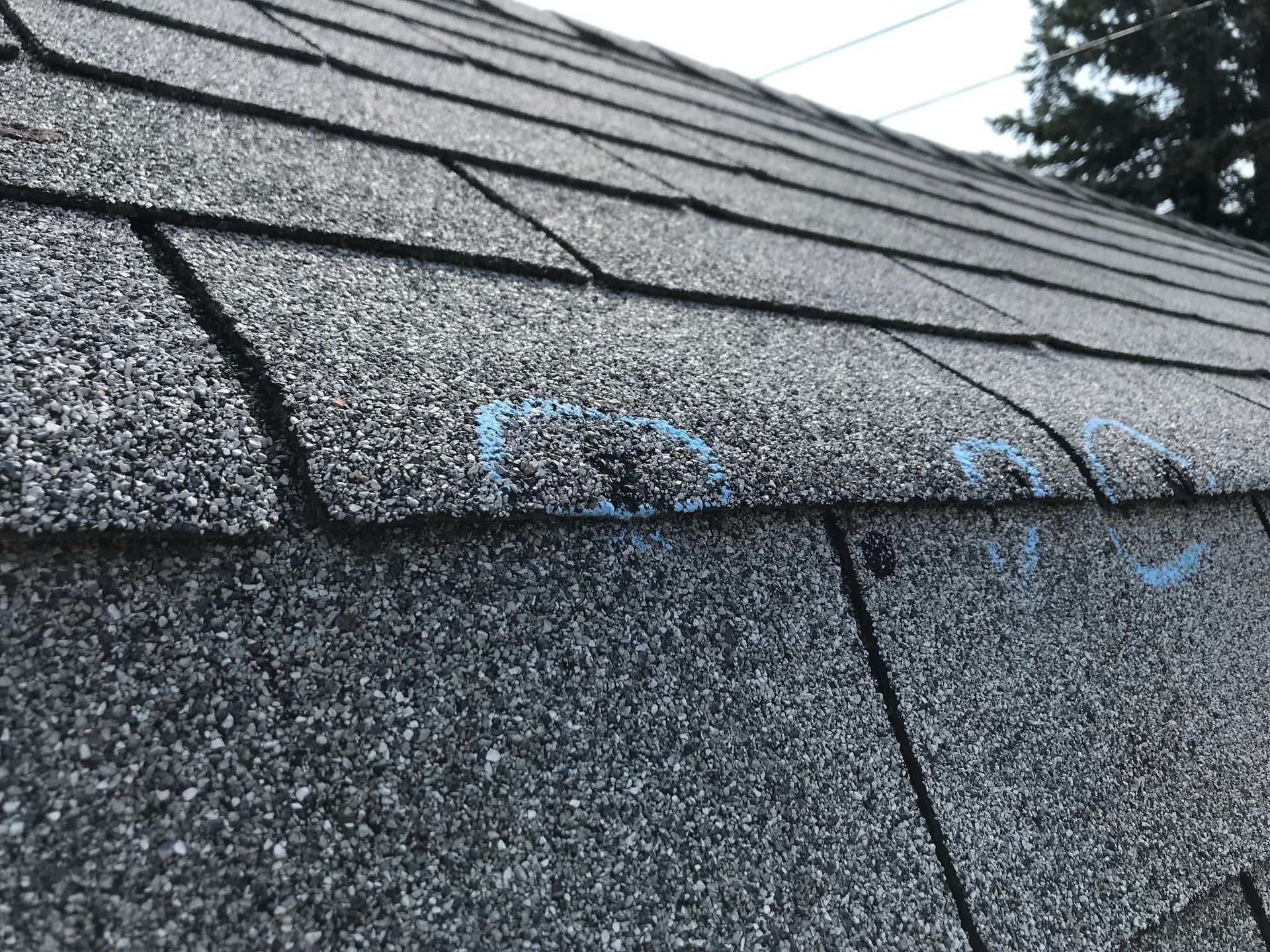
Most asphalt shingle roofs in Northeast Florida last somewhere between 15 and 25 years. Basic three-tab shingles tend to sit near the low end of that range here, while thicker architectural shingles often reach their 20s when they were put on well and looked after.
That's a few years shorter than homeowners hear about in cooler parts of the country. Our sun is hotter and the summers run longer. When rain comes, it usually comes hard. In Orange Park, a roof also lives with river humidity and big shade trees, which can help or hurt depending on how close they hang.
So the number of years on the roof only tells part of the story. Two houses on the same street, roofed the same year, can be years apart in how much life they have left.
In this guide
Why shingles age faster in this part of Florida
Heat and strong sun do most of the damage. Asphalt shingles stay flexible because of oils in the asphalt, and every summer the sun dries a little more of those oils out. As they dry, shingles turn stiff and brittle, and the small stone granules on top start to come loose.
Those granules matter more than they look. They block sunlight from reaching the asphalt. Once a shingle loses enough of them, the bare spot heats up faster, cracks sooner, and stops shedding water the way it should.
The rest of the year adds its own wear:
- Long, humid summers keep shingles damp, which invites dark algae streaks and moss on shady slopes.
- Afternoon thunderstorms drop heavy rain in a short burst and test every weak spot.
- Hurricane season, from June through November, brings gusts that can lift and crease shingle tabs.
- A hot attic bakes shingles from below when the heat has nowhere to escape.
None of this happens overnight. It's slow, steady wear, and it's why a roof that looks fine from the street can be closer to the end than its age suggests.
Three-tab or architectural: which kind is on your house?
Your shingle type is the quickest clue to how long your roof should last. Three-tab shingles are the thin, flat kind, cut into three even tabs along the bottom edge, so the roof looks like neat rows of rectangles. Architectural shingles, also called dimensional shingles, are thicker and made in two layers, which gives the roof a shadowed, uneven look.
You can usually tell from the driveway. Flat, matching rows mean three-tab. Depth and a staggered pattern mean architectural. If you're still not sure, this overview of asphalt shingle roofs explains how the two styles differ.
In our climate, a three-tab roof that has reached 15 years deserves a closer look even if nothing seems wrong. Architectural shingles give you more room, but once they pass 18 or 20 years, the same check makes sense. If you bought the house and don't know when the roof went on, the seller's disclosure or an old home inspection report often lists it.
What are the signs a shingle roof is wearing out?
The clearest sign is lost granules, because that's the shingle's protection washing away. After a storm, look in the gutters and at the bottom of the downspouts. A little sand-like grit is normal on a newer roof. A steady layer of it on an older roof means the shingles are thinning.
Other signs you can spot from the ground:
- Edges that curl up, or corners that cup, as shingles dry out and shrink
- Cracked, torn, or missing tabs, often on the side that gets the afternoon sun
- Bald or shiny patches where dark asphalt shows through
- Shingles that sit uneven, or nail heads pushing up underneath them
- A sagging ridge line or a dip in one part of the roof, which can point to wet wood below
Inside, check the ceilings and the attic. A brown ring on a bedroom ceiling after a thunderstorm, damp insulation, or daylight showing through the roof boards all mean water or light is getting past the shingles.
One sign looks worse than it usually is: black streaks. Those are most often algae, and by themselves they're mainly a looks problem. They do hold moisture, though, and heavy growth on an older roof can speed up the wear you already have.
Worn out or just damaged?
A worn-out roof shows the same aging across most of its surface. A damaged roof has trouble in one area. That difference usually decides whether you need a fix or a new roof.
If a storm tore off a few shingles on an otherwise healthy 10-year-old roof, a roof repair can usually put it right. Swapping in matching shingles and resealing the rubber collars around plumbing vents are common, smaller jobs.
When curling, bald spots, and brittle tabs show up on every slope, patching one spot tends to move the leak somewhere else. At that point, paying for repair after repair often costs more over a few years than replacing the roof once.
Age plays a part too. A 22-year-old three-tab roof with one leak is a very different case from a 7-year-old roof with the same leak. The older roof is likely telling you its time is close.
How Weaver Construction Southeast reads an aging roof
Weaver Construction Southeast starts with a free 25-point roof inspection, and every one comes with photo documentation. For an older shingle roof, those photos do a lot of work. You see the curled edges and worn patches yourself instead of taking someone's word for it, and you keep the pictures for planning.
The company also brings over 20 years of roofing craftsmanship to the hardest part of this question, which is telling a roof with five good years left from one that's nearly done. That kind of judgment comes from watching a lot of shingles age in this heat. Sometimes the honest answer is that your roof needs a few repairs and another look in a year or two, not a replacement.
Living with river air and big trees
Orange Park sits along the west bank of the St. Johns River, with Doctors Lake just to the south, so the air stays damp much of the year. Dew hangs on north-facing slopes well into the morning, and shingles that stay wet longer grow algae and moss faster.
Many streets have live oaks and pines that have been growing for decades. Shade keeps a roof a little cooler, but it also keeps it wet, and those trees drop leaves, needles, and small limbs into the valleys, the low channels where two roof slopes meet. A valley packed with leaves holds water against the shingles after every afternoon storm.
Homes in the area range from older ranch houses to newer subdivisions. Older homes have often been re-roofed at least once, and some have new shingles laid over an old layer, which traps heat and shortens the top layer's life. On a newer home still wearing its first roof, the shingles may be reaching the age where a check is worth it.
Get a clear answer on your roof's age
If your shingles are past 15 years or there's grit piling up in the gutters, have the roof looked at before next hurricane season. For homeowners in Orange Park asking who to hire for an aging shingle roof, Weaver Construction Southeast will check it over and show you the photos so you can plan on your own timeline. Call 904-756-2351 or book an inspection online.
Common Questions About Shingle Roof Age
Does a roof over 15 years old affect homeowners insurance in Florida?
It can. Many Florida insurers ask about roof age when you buy or renew a policy, and older shingle roofs sometimes need an inspection or face coverage limits. State law also limits how insurers can treat roofs younger than 15 years. Rules and company practices change, so your insurance agent is the right person to explain what your own policy requires for a roof of your age.
Can new shingles go over my old roof?
Some homes do have two layers, but it's usually a poor fit for our climate. A second layer adds weight, holds extra heat against the new shingles, and hides soft or rotten boards underneath. Taking the old shingles off lets the roofer see the wood, replace any bad sections, and start fresh, which gives the new roof its best shot at a long life.
Will a roof in Orange Park last longer if it's shaded by trees?
Not usually. Shade keeps shingles a little cooler, which helps, but it also keeps them damp after rain and morning dew. Damp shingles grow algae and moss, and moss can lift edges and hold water against the roof. Trimming branches back so the roof gets some sun and air tends to do more good than heavy shade, and it means fewer limbs falling in a storm.
How often should a shingle roof be checked?
Once a year is a good habit for a roof older than about ten years, and a check after any strong storm makes sense at any age. Spring works well because small problems can be fixed before the stormy months arrive. A newer roof can go longer between checks as long as nothing looks off from the ground and the ceilings stay dry.
Do architectural shingles cost more than three-tab?
Yes, architectural shingles usually cost more up front because they're thicker and heavier. Many homeowners decide the longer life and better hold in strong gusts are worth the difference, especially in a state that sees hurricanes. The price gap on your house depends on its size, how steep the roof is, and how much old material has to come off.
Is it worth fixing an old shingle roof before selling the house?
It depends on the roof's condition and your plans. Fixing a leak, replacing missing shingles, or resealing around a vent can help the home pass a buyer's inspection without a big expense. If the roof is near the end of its life, the buyer's inspector and insurer will probably notice anyway, so a price adjustment or a new roof may make the sale go more smoothly.
Know where your roof stands
A short visit and a set of clear photos can tell you whether to plan for small repairs or start saving for a new roof. Call 904-756-2351 or contact us online.
Schedule your inspection